
- Joined
- Dec 31, 2010
- Messages
- 1,110
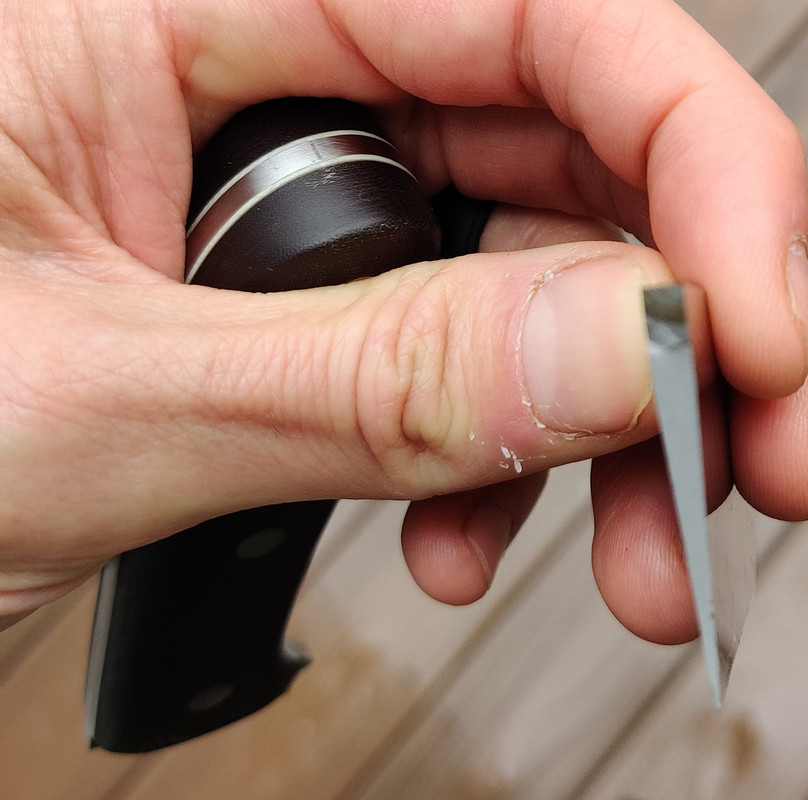
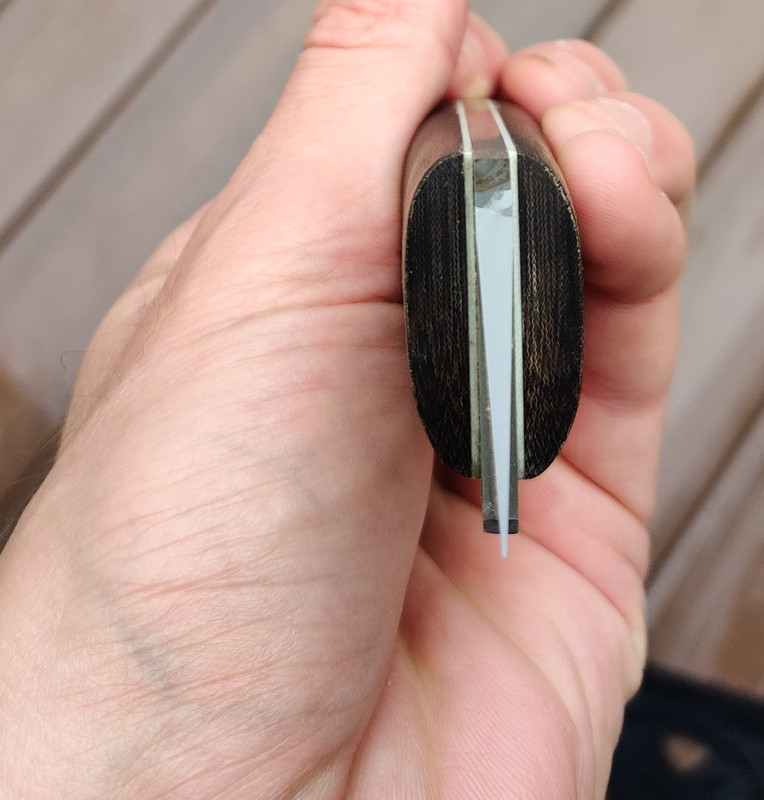
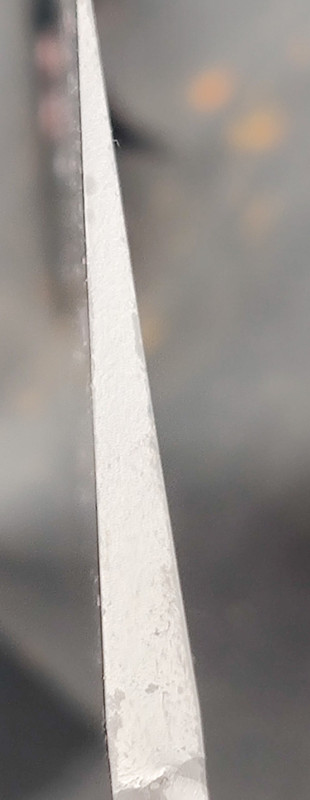
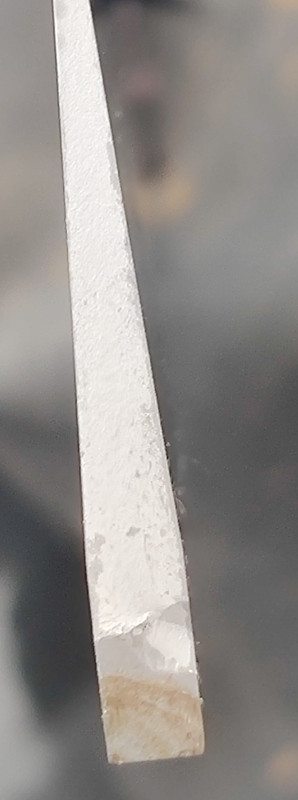
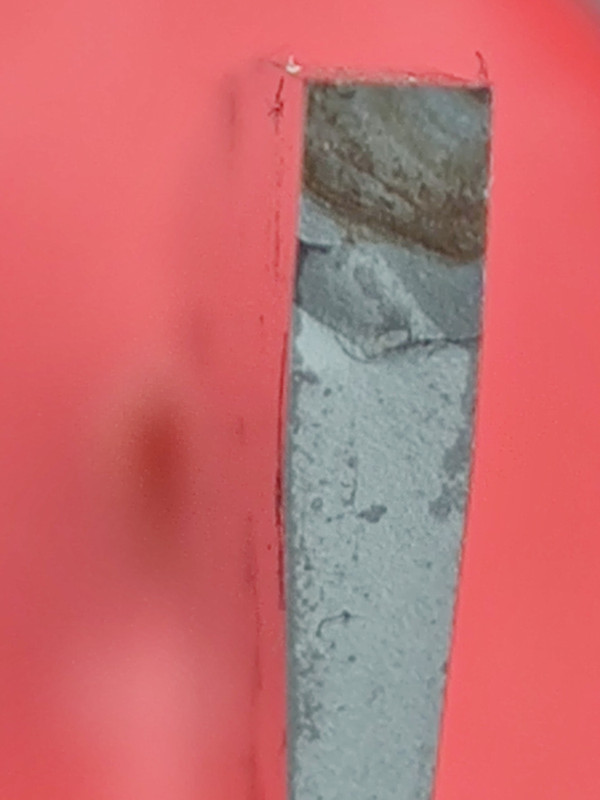
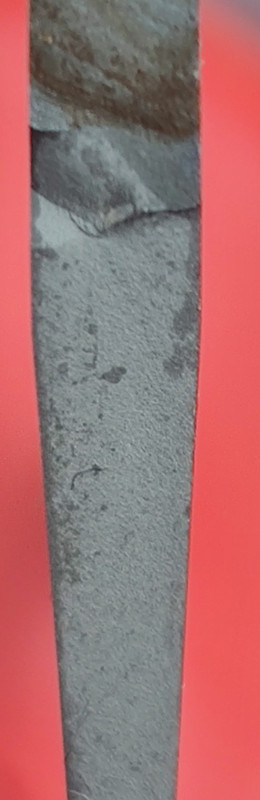
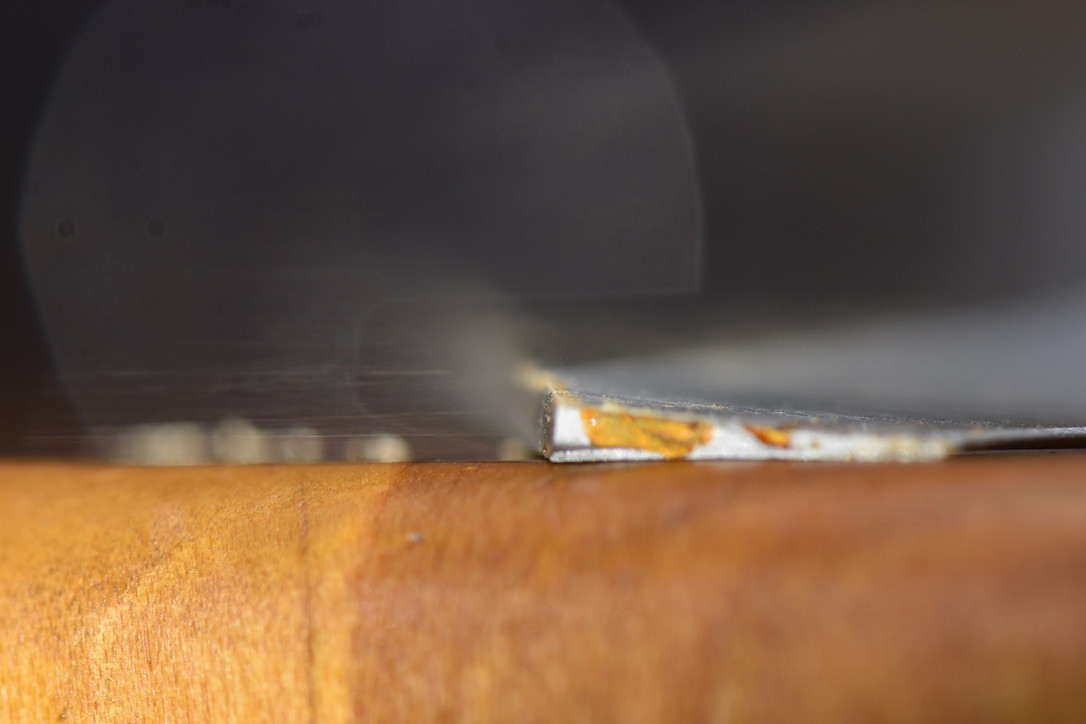
A blade fell off my stand up desk ~ 3-4 feet onto a wood floor/w a wood subfloor. I heard a sound that sounded like shattered glass and when I looked the blade was sheared into two pieces. I don't recall the steel type, but think it's 154, though this could be incorrect. I know it's a stainless blade.
I am looking for knowledge sharing because I was a bit surprised to see the knife was broken from a fall. I have dropped blades before and this has never happened. I'm not looking to blame anyone but myself in this. I'm not upset and crap happens. I have dropped multiple knives and had a knife go through my shoe before. This is the first time a knife has sheared on me. Definitely sucks because this blade was a hell of a slicer.
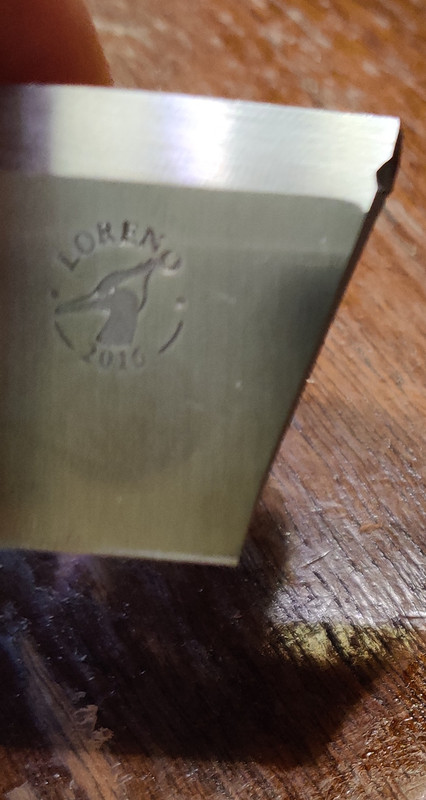
To my recollection, Erik Loreno uses Peters Heat treat for his blades. Please don't flame me because this is not a smear campaign and losing a blade is tough enough. This post is intended to be a place for myself and others to learn as to why this may have happened. Could this be a defect in the heat treat, is it more along the lines of the toughness of the blade, or just potentially the way that it fell? I did not see it hit the floor, so can't explain the way it hit. It seems it would have stuck in the floor if tip down, but unsure.
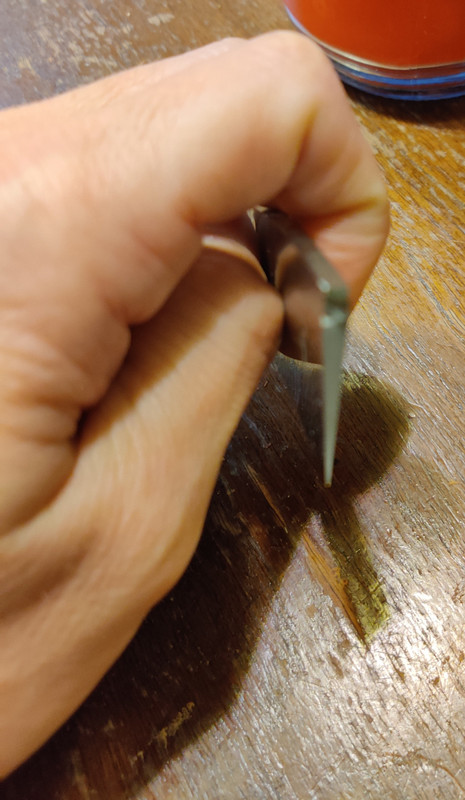
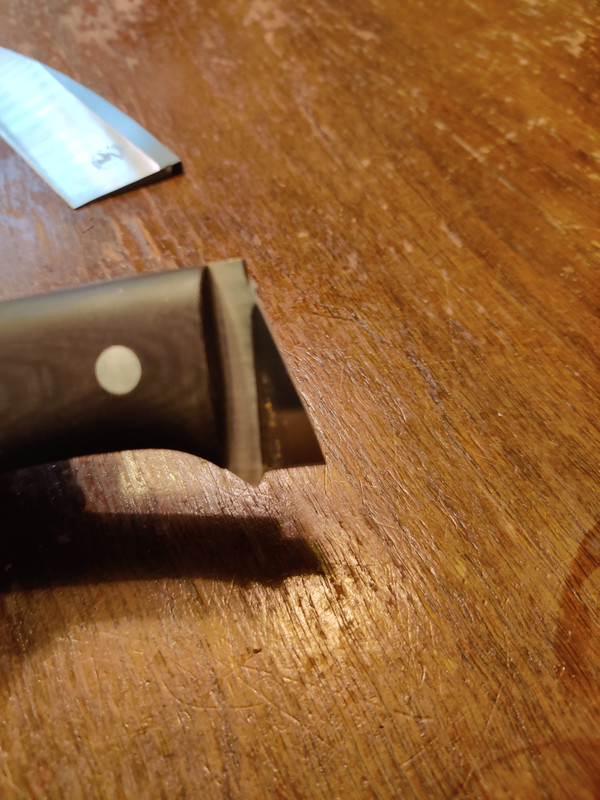
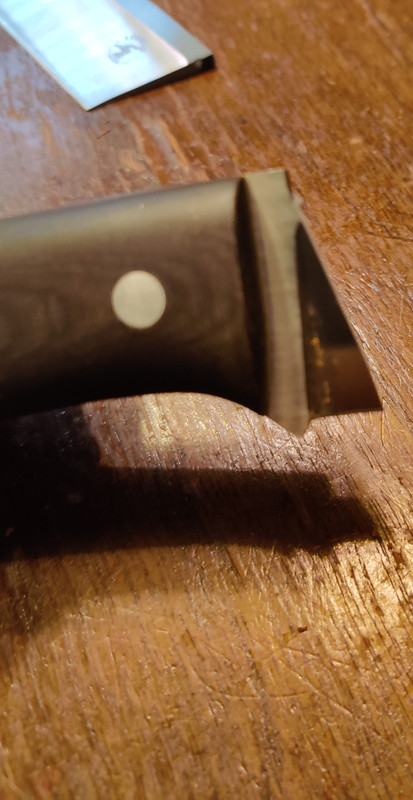
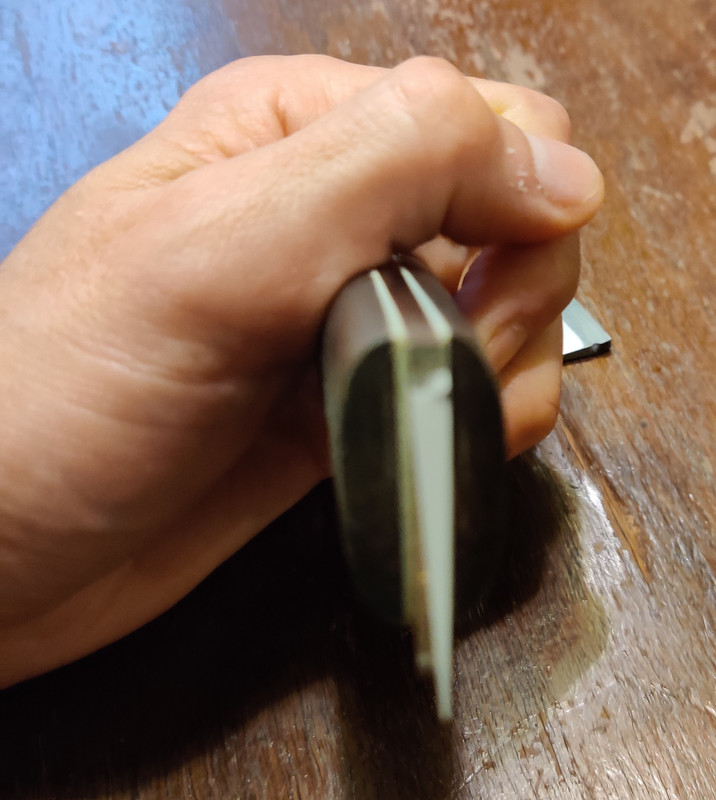
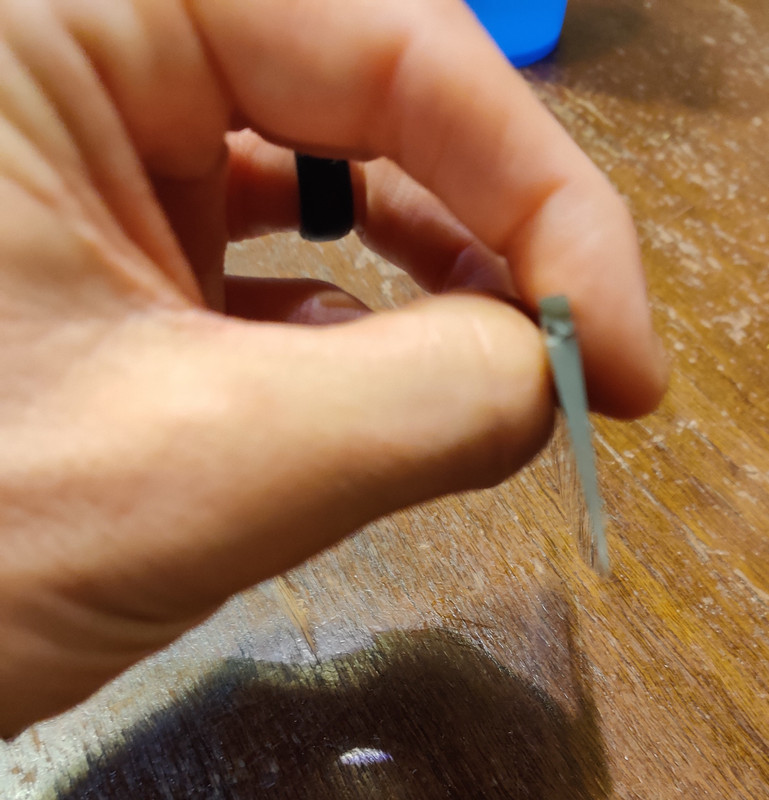
I am looking for knowledge sharing because I was a bit surprised to see the knife was broken from a fall. I have dropped blades before and this has never happened. I'm not looking to blame anyone but myself in this. I'm not upset and crap happens. I have dropped multiple knives and had a knife go through my shoe before. This is the first time a knife has sheared on me. Definitely sucks because this blade was a hell of a slicer.
To my recollection, Erik Loreno uses Peters Heat treat for his blades. Please don't flame me because this is not a smear campaign and losing a blade is tough enough. This post is intended to be a place for myself and others to learn as to why this may have happened. Could this be a defect in the heat treat, is it more along the lines of the toughness of the blade, or just potentially the way that it fell? I did not see it hit the floor, so can't explain the way it hit. It seems it would have stuck in the floor if tip down, but unsure.